Table of Contents
Article Details
The new prime minister’s actions during his initial weeks in the post give some interesting indications on where procurement spend may be prioritised.
Following the drama of the Makerfield by-election, Andy Burnham’s is beginning to formalise his policy agenda in the months and years to come. As with all prime ministers, Mr Burnham’s initial policies and speeches have set the tone for his premiership – in addition to providing valuable insight as to how the government will direct public sector spend.
Through analysis of Mr Burnham’s first few days in office, we explore potential impacts to public sector tenders, which sectors may be impacted and how suppliers should prepare for a new head of government.
What are Andy Burnham’s priorities as prime minister?
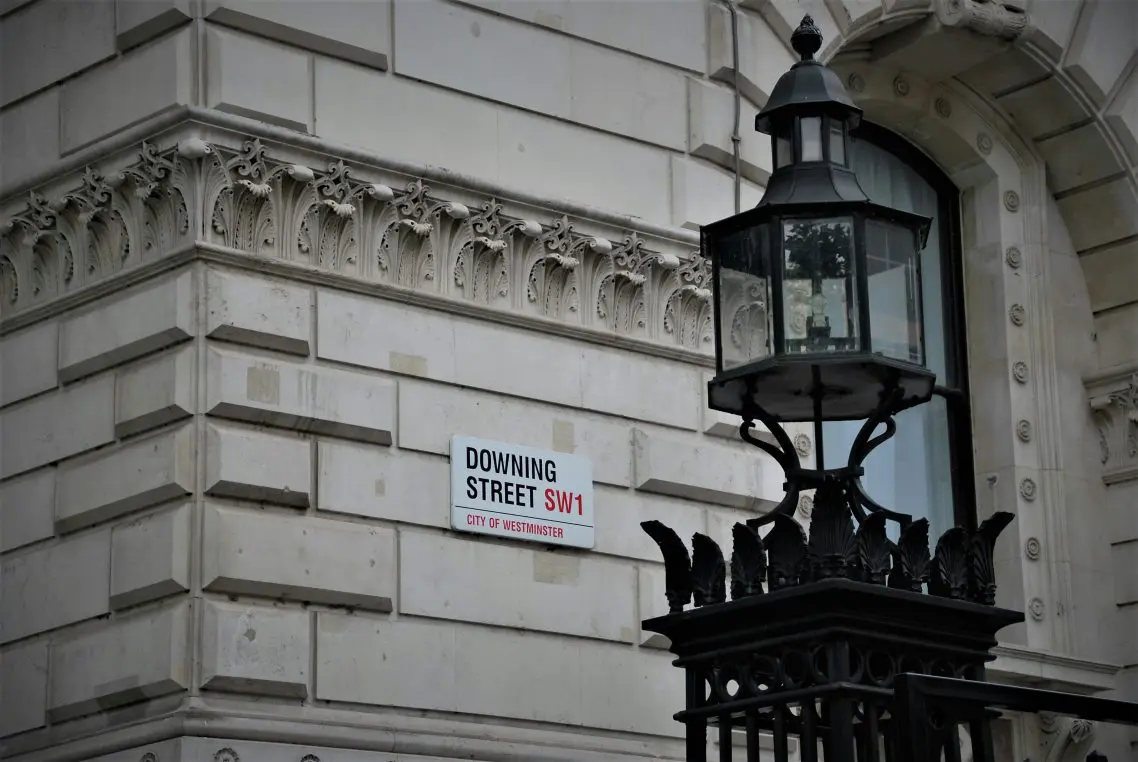
In his initial speech outside 10 Downing Street, the new prime minister outlined his key priorities for the next government, with later policy objectives including:
- Greater devolution giving local areas more autonomy and control over their regional economies, transport and housing
- Increasing public control over essential services, both in terms of public ownership and public influence – rather than a broad ‘nationalisation’ strategy
- Expanding housing construction for both public and private developers, as part of improving affordability and reducing long-term welfare costs
- Reformed health and social care, taking a long-term view of England’s social care system while retaining fiscal discipline.
Many of the above themes – particularly devolution, greater public sector involvement in certain sectors, and increased construction and health and social care activity – will have an impact on public procurement. Policy priorities normally give a strong indication of the number of tender notices and amount of procurement spend which governments will choose to fund.
Sectors receiving increased government attention
Based on the above, we can make reasonable assumptions on how the government’s new focuses will impact the public sector procurement landscape – including what sectors will be affected. This includes, but is not limited to:
- Health and social care: The new prime minister has pledged to introduce a new National Care Service, closely aligned with the NHS, and a three-point plan to fix the health and social care system across the UK – a fast-tracked independent review, workforce reform and cross-party collaboration. It should be noted Mr Burnham initially introduced the proposal in 2010 during his time as Health Secretary, with the Personal Care at Home Bill faltering following Labour’s general election loss the same year.
- Social housing construction bolstered by Mr Burnham’s pledge to revive and increase social housing – although it should be noted that previous targets have not come to fruition. With housing being a priority, associated repairs and maintenance tenders should also remain stable or see increases.
- Temporary accommodation: The first policy decree issued by the Burnham government being an end to rough sleeping in the country. Temporary accommodation is a highly regulated industry which is under-resourced and would require new suppliers or increased capacity to deliver against ambitious targets.
Other industries and sectors seeing increased activity over the past few years, such as decarbonisation and retrofit and disrepair following Awaab’s Law being introduced, should continue to see sustained growth under Mr Burnham’s government.
Recent decline in contract notices
More anecdotally, Executive Compass have observed a general decline in contract notices published on Find a Tender over the past couple of weeks. Peaks and troughs in published notices and procurement activity are common during periods of government uncertainty or changes to the wider landscape.
For example, prior to the Procurement Act 2023 formally coming into force last year, we observed a large increase in notices being published where the Public Contracts Regulations 2015 were still applicable.
Contracting authorities may prefer to let the dust settle before issuing Invitation to Tender (ITT) documents, to ensure budget certainty and continuity before going through a lengthy, expensive procurement process.
What should suppliers do now?
While it’s still early to know exactly how procurement will change, suppliers can start preparing. Keep on top of tender alerts, award notices and buyer spend data. Look at which organisations are spending in your sector, which frameworks they use, which run their own tenders, when contracts are due to expire and who the key stakeholders are locally. What will they require from bidders? What likely gaps will you have and what can you do about it?
The more you understand about where opportunities are likely to come from and how those buyers procure, the better prepared you’ll be when they do go to market.
Support with public sector tenders
Each week, contracting authorities publish government contract notices on the Find a Tender and Contracts Finder portals searching for suitable suppliers to service contracts. Public sector clients are a good source of income, providing multi-year contract or framework agreement terms, a strong pipeline of work and strong payment terms – but the tender process is complex and competitive to navigate.
To explore how Executive Compass can become your strategic bidding partner on a retained or ad hoc basis, book a free bid consultation today via info@executivecompass.co.uk or 0800 612 5563.
Latest News
View All
